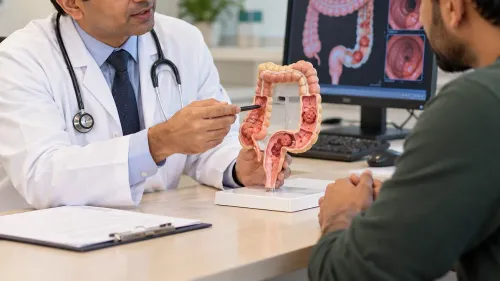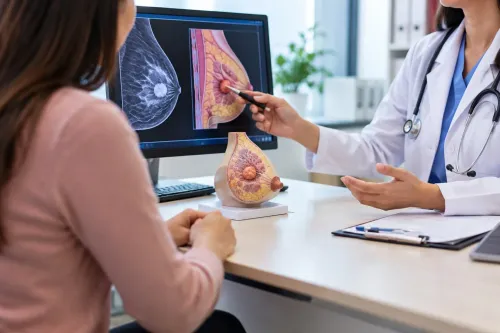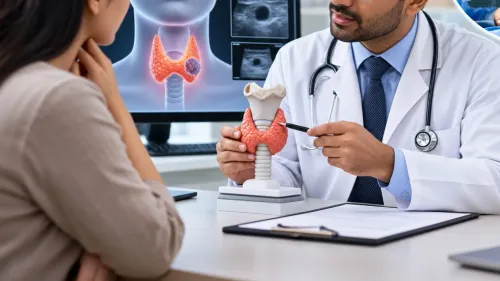

A cancer surgeon can help determine whether an operation has a role before treatment begins, not only after chemotherapy or radiation. By the end, you will know when to arrange the consultation, which specialist to contact, what records to bring, and when symptoms require emergency care instead.
Key takeaways
- Arrange a consultation soon after biopsy-confirmed cancer.
- Bring pathology slides, reports, scans, and medication details.
- Seek urgent care for severe bleeding, breathing trouble, or bowel obstruction.
- Compare the proposed operation, alternatives, risks, and recovery time.
When should you arrange a cancer surgeon consultation?
Arrange a consultation soon after a biopsy-confirmed cancer, when a suspicious mass needs a tissue diagnosis, when removable tumour imaging suggests an operation could be possible, or when a medical or radiation oncologist refers you. Do not wait for chemotherapy or radiation to fail before asking whether surgery belongs in the plan.
1. After a confirmed biopsy, the surgeon reviews the pathology report with CT, MRI, PET-CT, ultrasound, or other imaging. Staging scans may show that surgery should proceed, be delayed for neoadjuvant chemotherapy, immunotherapy, targeted therapy, or radiation, or be avoided because the disease is not resectable.
2. Before biopsy, ask for surgical input when the biopsy route could affect later treatment. Suspected soft-tissue sarcoma is the key example: the team planning definitive surgery should select the biopsy site and incision because the biopsy tract may need removal with the tumour.
3. Arrange a consultation after staging scans clarify whether the cancer is localised, locally advanced, or metastatic. Surgery may be the first treatment, a later treatment after preoperative therapy, or a treatment reserved for symptoms.
4. Seek surgical advice even when cure is not possible. An operation or another local procedure can control bleeding, obstruction, perforation, infection, or pain; selected patients with limited metastatic disease may still receive surgery as part of an aggressive treatment plan. Ask what the operation aims to achieve: cure, staging, local control, or symptom relief.
Which cancer specialist should you contact first?
Choose the first specialist based on the suspected cancer and the question that needs answering. A surgical oncologist assesses whether an operation can remove the tumour, achieve clear margins, examine lymph nodes, and fit safely into the full treatment plan.
| Specialist | Main question answered | Examples |
|---|---|---|
| Surgical oncologist | Can surgery provide useful cancer control? | Unclear mass, complex or potentially removable tumour |
| Site-specific surgeon | What operation fits this organ and cancer? | Urology for kidney, bladder, or prostate; hepatobiliary surgery for liver or pancreatic tumours; neurosurgery for brain tumours; breast, thoracic, colorectal, upper gastrointestinal, head and neck, or gynecologic services |
| Medical oncologist | Should drug treatment come before or after surgery? | Chemotherapy, immunotherapy, targeted therapy, or other systemic treatment |
| Radiation oncologist | Can radiotherapy treat or control the cancer? | Radiation before surgery, after surgery, or instead of surgery |
| General surgeon | Can this mass be assessed and referred correctly? | Ask whether the surgeon regularly treats the suspected cancer |
For skin cancer, contact a dermatologist or skin cancer surgeon when that expertise matches the lesion. For suspected sarcoma, seek a sarcoma-experienced multidisciplinary team before excision; an incorrectly placed biopsy or incision can complicate definitive surgery.
For an unclear mass, a surgical oncologist or relevant organ specialist can coordinate biopsy, pathology review, and staging. Keep an appointment arranged by another doctor, then ask which specialist should lead the next step.
Complex cases need coordinated input from surgery, medical oncology, radiation oncology, radiology, pathology, and genetics. No single specialist should make every decision alone.
What will the surgeon determine at the first consultation?
The surgeon determines operability by matching your pathology report with the CT, MRI, PET-CT, ultrasound, or other imaging—not by judging the scan alone. This assessment covers tumour resectability, invasion of nearby organs, nerves, or major blood vessels, the likelihood of achieving appropriate margins, and whether your health permits the procedure.
Before recommending treatment, the surgeon may order staging tests, endoscopy, molecular or biomarker testing, pathology review, genetic counselling, or another biopsy. A tumour that looks removable does not automatically require immediate surgery.
Metastatic or locally advanced disease, or a cancer more responsive to initial treatment, may require neoadjuvant treatment with chemotherapy, immunotherapy, targeted therapy, or radiation. The response can reveal aggressive biology and make later surgery safer or more effective.
Use the consultation to establish:
- The operation’s goal: cure, staging, local control, symptom relief, or prevention of obstruction or bleeding.
- What happens if the tumour is unresectable or the final margins are positive.
- Whether drugs or radiation should come before surgery, or whether surgery has no useful role.
- Whether treatment could affect organ function, fertility, sexual function, reconstruction, recovery, or require a permanent stoma.
Some cancers rely mainly on drugs or radiation, with surgery reserved for later treatment or complications such as bleeding, obstruction, perforation, infection, or pain. Ask how final pathology will determine any additional treatment.
What records should you bring, and when is the situation urgent?
1. Bring the complete pathology report, biopsy slides, or the tissue block if available. Include reports and images for CT and MRI, PET-CT, ultrasound, or mammography; a printed report alone may not show details the surgeon needs.
2. Add blood-test results, a current medication list with doses, allergy information, prior operation notes, discharge summaries, and a written family history of cancer. Write down previous treatments, symptom changes, and every question you want answered.
3. Ask the hospital or clinic before the appointment whether images should be uploaded electronically, shared through its imaging system, or carried on a disc in the original format. Do not assume a phone photograph or printed page is enough.
4. Treat urgent cancer symptoms as an emergency. Do not wait for a routine consultation if you have severe breathing difficulty, airway obstruction, uncontrolled bleeding, a swollen abdomen with repeated vomiting and inability to pass stool or gas, suspected perforation, severe infection, or rapidly worsening weakness, confusion, speech trouble, or other neurological symptoms.
5. Go to emergency care or contact the treating team immediately. These problems can require urgent surgery or another intervention, and a second opinion should not delay stabilisation.
6. Keep a routine appointment for a stable diagnosis, a planned second opinion, or discussion of whether surgery should precede or follow other treatment.
How should you compare surgical options and decide whether a second opinion is worthwhile?
Seek a second surgical opinion before an irreversible operation, removal of an organ, surgery for a rare tumour, a technically complex resection, or an operation that could create a permanent stoma. Use the surgical consent discussion to compare every reasonable route, not to select a technique by name.
| Option | Main role | Key question |
|---|---|---|
| Observation | Monitor without immediate intervention | Is delay safe? |
| Systemic treatment | Chemotherapy, immunotherapy, or targeted therapy | Should drugs come before surgery? |
| Radiation | Treat the tumour or reduce local recurrence risk | Can radiation replace or improve surgery? |
| Open surgery | Direct access through a larger incision | Does extent or safety require it? |
| Laparoscopic surgery | Minimally invasive surgery using small incisions | Can the tumour be removed securely this way? |
| Robotic surgery | Robot-assisted minimally invasive operation | Does its access improve precision without compromising cancer control? |
Robotic surgery is an operative approach, not a separate cancer treatment. The goals remain suitable margins, appropriate lymph-node assessment, and avoiding tumour disruption.
Ask why the approach fits the tumour’s location and extent, whether major vessels or adjacent organs are involved, whether prior operations caused adhesions, whether an en-bloc resection is needed, and how often the team performs it.
Ask about blood loss, hospital stay, recovery, complications, organ-function loss, reconstruction, fertility, sexual function, and treatment after final pathology. A planned minimally invasive operation can convert to open surgery for safety or cancer control.
In Mira Bhayandar or Mira Road East, Priyank Chawathe can provide a specialist discussion about complex or robotic surgery and whether it fits your diagnosis.
Related services
Breast Surgical Oncology focuses on the diagnosis and surgical management of breast cancer and other breast conditions requiring specialized surgical care. View service → |
Complex Cancer Resections & Reconstructions Complex Cancer Resections & Reconstructions Some cancers can involve vital organs, major blood vessels, nerves, muscles, bones, or surrounding tissues, making their surgical treatment... View service → |
Frequently asked questions
When should you arrange a cancer surgeon consultation?
Arrange one after a biopsy confirms cancer, when imaging shows a suspicious mass needing tissue diagnosis, when scans suggest a removable tumour, or when another cancer specialist refers you. Do not wait for chemotherapy or radiation to fail.
Which cancer specialist should you contact first?
Start with the specialist who matches the cancer’s location and treatment needs. A surgical oncologist evaluates whether an operation belongs in the plan, while a medical or radiation oncologist may coordinate drug or radiation treatment.
What will the surgeon determine at the first consultation?
The surgeon will review the diagnosis and scans, assess whether the tumour can be removed, discuss the operation and alternatives, explain likely risks and recovery, and identify tests or specialist opinions still needed.
What records should you bring to a cancer surgeon appointment?
Bring the pathology report, biopsy slides or tissue-block details, CT, MRI, PET or ultrasound images and reports, blood-test results, medication list, prior treatment records, and a written list of questions.
When is a cancer surgery second opinion worthwhile?
Consider a second opinion before major or irreversible surgery, when the operation is extensive, when treatment choices differ, or when you do not understand the proposed benefits, risks, or alternatives.
Related services
Gynecologic Oncology focuses on the diagnosis and treatment of cancers affecting the female reproductive system, including cancers of the uterus, cervix, ovaries,... View service → |
Thoracic Malignancies Thoracic malignancies are cancers that develop within the chest, including cancers of the lungs, pleura, mediastinum, and other structures of the... View service → |
Colorectal Oncology focuses on the diagnosis and treatment of cancers affecting the **colon and rectum**. View service → |
Multidisciplinary Cancer Care & Tumor Board-Based Planning Multidisciplinary Cancer Care & Tumor Board-Based Planning Cancer treatment is most effective when every aspect of a patient’s condition is carefully evaluated and the treatment plan is tailored to their... View service → |