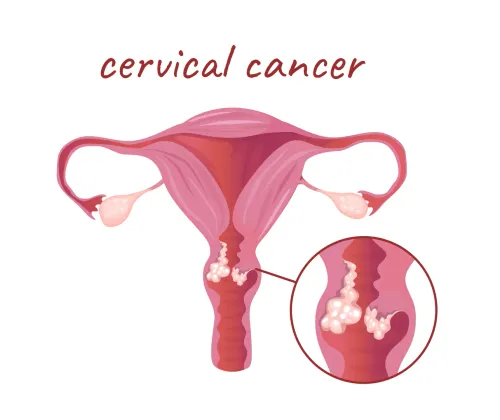
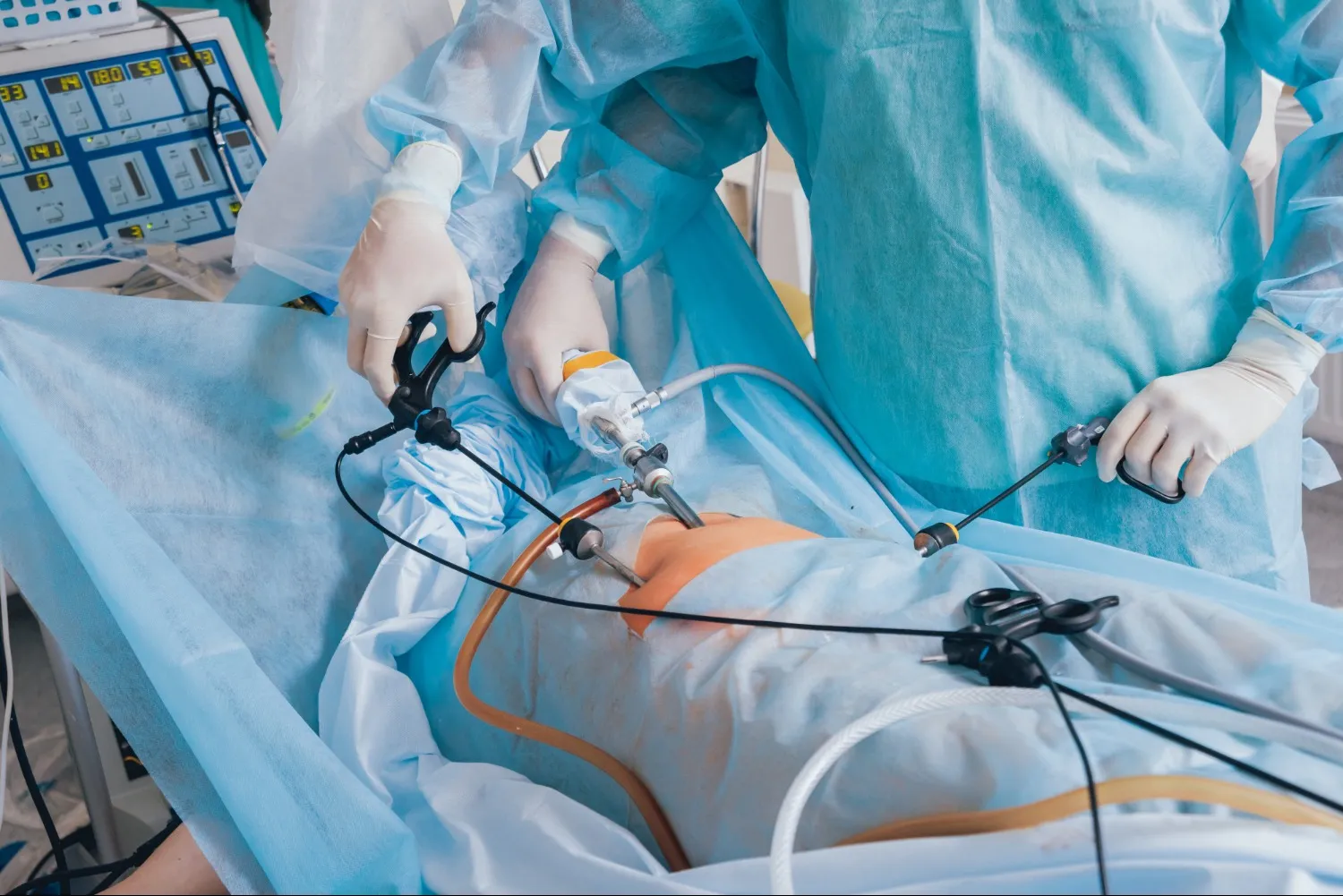
Wertheim’s hysterectomy, commonly referred to as radical hysterectomy, is an operation that may be used in the treatment of selected patients with cervical cancer. It is more extensive than a standard hysterectomy and requires careful assessment before surgery.
For patients in Virar, understanding what makes this operation different can help families prepare for discussions with a surgical oncologist.
What is Wertheim’s hysterectomy?
A radical hysterectomy generally involves removal of the uterus, cervix, surrounding parametrial tissues, and a portion of the upper vagina. Lymph-node assessment is also commonly relevant to surgical staging.
The precise operation can vary according to the patient's disease and surgical plan.
Because tissues close to the bladder, ureters, bowel, nerves, and blood vessels may be involved in the surgical field, this is a specialised cancer operation rather than a routine hysterectomy.
Who may be considered for the procedure?
Radical hysterectomy is generally considered in selected patients with appropriately staged cervical cancer.
Not every cervical cancer patient is suitable.
Patients with more advanced local disease may be advised to undergo a different treatment approach, such as chemoradiation.
This makes accurate staging essential before committing to surgery.
What needs to be reviewed before the operation?
Preoperative evaluation may include:
- Biopsy confirmation
- Clinical examination
- Appropriate imaging
- Blood investigations
- Anaesthetic assessment
- Review of existing medical conditions
- Medication assessment
- Lymph-node evaluation strategy
The surgeon also needs to discuss whether a minimally invasive or open approach is appropriate according to current oncological considerations and the individual case.
What are the possible risks?
Every major operation has risks, and patients should receive an individualized explanation before giving consent.
Potential concerns can include bleeding, infection, blood clots, urinary difficulties, injury to surrounding structures, lymphatic complications, and anaesthesia-related problems.
Some patients may experience changes in bladder function during recovery because surgery takes place close to nerves involved in urinary control.
The actual risk profile varies from patient to patient.
What happens after surgery?
Recovery involves more than healing of the incision.
Patients are usually encouraged to begin appropriate movement after surgery as advised by the clinical team. Pain management, urinary function, bowel recovery, nutrition, wound care, and prevention of postoperative complications are monitored.
The final pathology report is particularly important.
It provides detailed information about the removed tumour, surgical margins, lymph nodes when assessed, and other pathological features.
These results may determine whether further oncology treatment is recommended.
Questions worth discussing beforehand
Patients should ask why radical hysterectomy is being recommended, what the operation is expected to remove, whether lymph nodes will be assessed, what recovery may involve, and whether postoperative radiation or chemotherapy could still become necessary.
Dr. Priyank Chawathe evaluates patients requiring surgery for gynaecological malignancies, including selected cervical cancer cases where radical hysterectomy may be considered.
The decision to undergo Wertheim’s hysterectomy should be based on accurate staging and an understanding of the expected benefit, alternatives, potential complications, and postoperative pathway.
A well-informed patient does not need to memorize every technical detail. What matters is understanding why the operation is appropriate, what it is intended to achieve, and how it fits into the complete cancer treatment plan.
Keywords