Some patients with advanced ovarian cancer receive chemotherapy before undergoing surgery. When an operation is subsequently performed to remove as much visible disease as safely possible, it may be described as interval cytoreduction.
For patients in Thane, understanding why treatment is sometimes sequenced this way can make the journey from chemotherapy to surgery easier to follow.
Why might chemotherapy come before surgery?
Surgery is important in the management of many ovarian cancers, but immediate surgery is not automatically the best starting point for every patient.
Doctors consider disease distribution, tumour burden, medical fitness, symptoms, imaging findings, and the likelihood of achieving effective tumour removal.
In selected patients, chemotherapy may be recommended first.
This is known as neoadjuvant chemotherapy.
The aim may be to treat the cancer systemically before surgery and make subsequent cytoreductive surgery more appropriate.
What happens before interval cytoreduction?
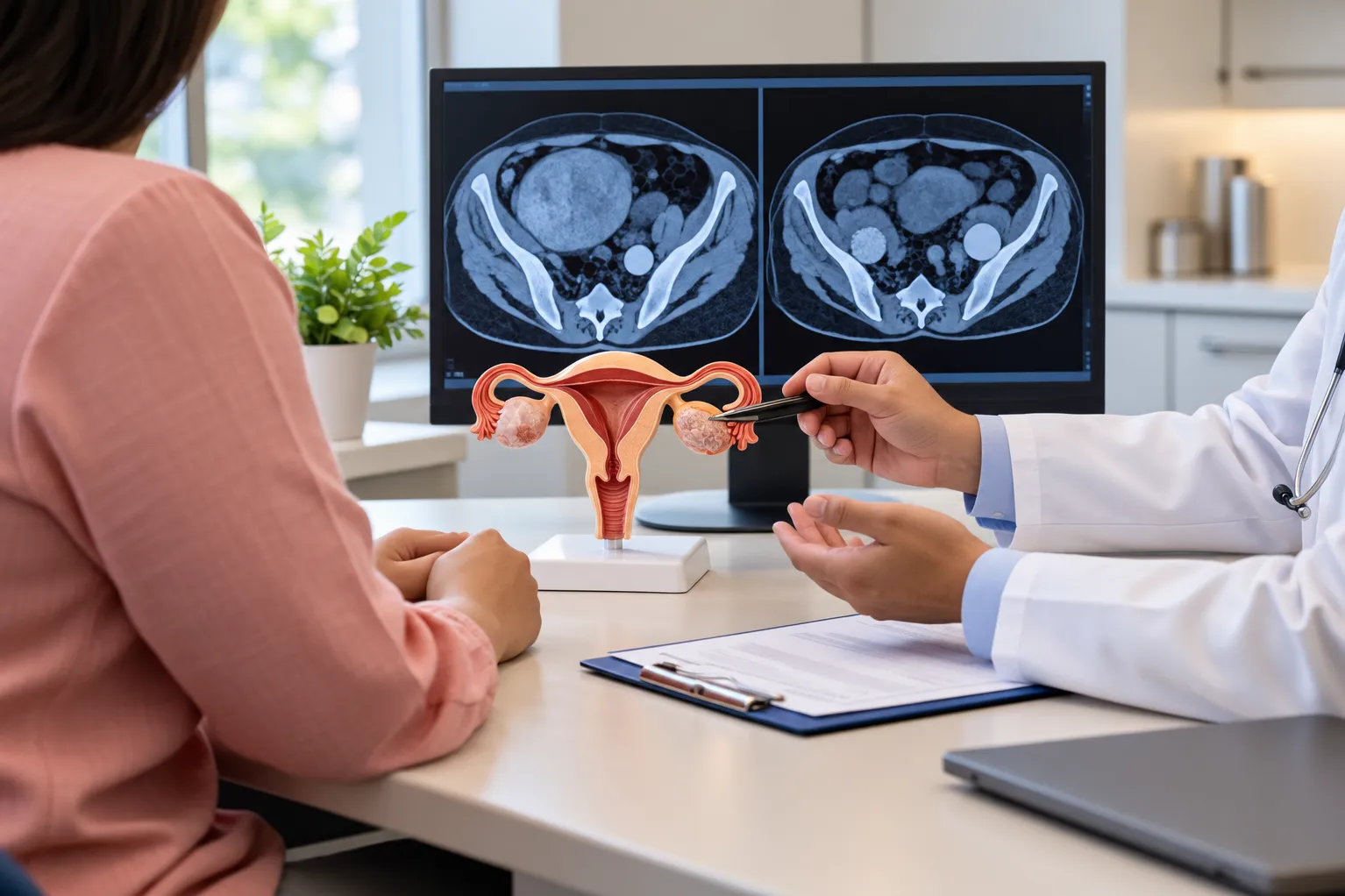
The oncology team usually reassesses the patient after the planned initial chemotherapy.
This assessment may include:
- Review of symptoms
- Physical examination
- Blood investigations
- Tumour marker trends when relevant
- Repeat imaging
- Evaluation of treatment response
- Assessment of surgical fitness
The decision to operate is based on the overall picture rather than one result alone.
What is the objective of cytoreductive surgery?
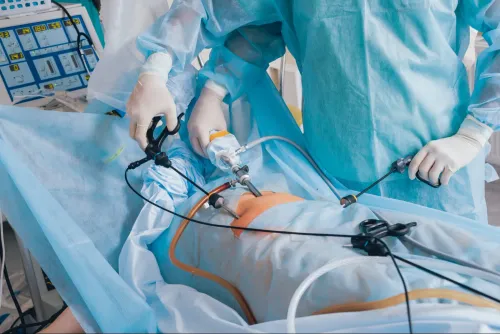
Cytoreductive surgery aims to remove visible tumour deposits as completely as is safely feasible.
The exact operation varies according to disease distribution. Surgery may involve reproductive organs and, in selected cases, additional tissues or organs affected by disease.
This means the operation needs to be planned according to the individual patient's anatomy and cancer pattern.
How is this different from having surgery first?
Some ovarian cancer patients undergo primary cytoreductive surgery before systemic chemotherapy. Others begin with chemotherapy and undergo interval cytoreduction later.
Neither sequence should be viewed as automatically superior for every person.
The appropriate sequence depends on clinical circumstances.
A patient with disease that appears amenable to effective upfront surgical removal may have a different treatment pathway from someone with extensive disease or medical factors that make immediate major surgery less suitable.
Questions to discuss before surgery
Patients preparing for interval cytoreduction may find it helpful to ask:
- How has the cancer responded to chemotherapy?
- What does the latest imaging show?
- What is the goal of the planned operation?
- Which organs may potentially be involved?
- How long might hospitalization be required?
- What complications should I understand?
- Will chemotherapy resume after recovery?
- How will the final pathology influence further treatment?
These discussions help establish realistic expectations.
Dr. Priyank Chawathe provides surgical oncology assessment for gynaecological cancers, including patients being evaluated for cytoreductive procedures after initial systemic treatment.
Preparing for the operation
Preparation may include blood investigations, anaesthetic evaluation, nutritional assessment, medication review, and other tests based on the patient's health.
Patients should tell the surgical team about all medicines they take, including blood thinners and non-prescription supplements.
Recovery planning is equally important. Major cancer surgery may require gradual return to normal eating, walking, and everyday activities.
Interval cytoreduction represents one stage within a larger ovarian cancer treatment plan. Its timing should be based on treatment response, disease distribution, surgical feasibility, and multidisciplinary assessment.
Understanding why surgery is being recommended at that particular point can help patients participate more confidently in decisions about their ongoing cancer care.
Keywords